
Home automation is transforming modern living across the UAE by integrating smart technologies that allow users to control lighting, HVAC systems, security, and appliances with ease and intelligence.
In today’s fast-growing smart infrastructure market, home automation systems, smart building technology, intelligent control systems, energy-efficient solutions, and smart living solutions are becoming essential for residential and commercial properties.
What is Home Automation?
Home automation is a system that connects and controls electrical devices such as lighting, air conditioning, security systems, and appliances through a centralized platform, allowing users to manage their home or building automatically or remotely using smartphones, sensors, or smart controllers.
At its core, home automation brings intelligence to everyday electrical systems. Instead of manually operating switches, thermostats, or security devices, everything becomes interconnected and responsive to user behavior, time schedules, and environmental conditions.
Modern systems can operate through:
- Mobile applications
- Wall-mounted smart panels
- Voice assistants
- Motion and occupancy sensors
- Centralized controllers
This integration allows seamless control of multiple systems with minimal effort.
Why Home Automation is Growing Rapidly in the UAE
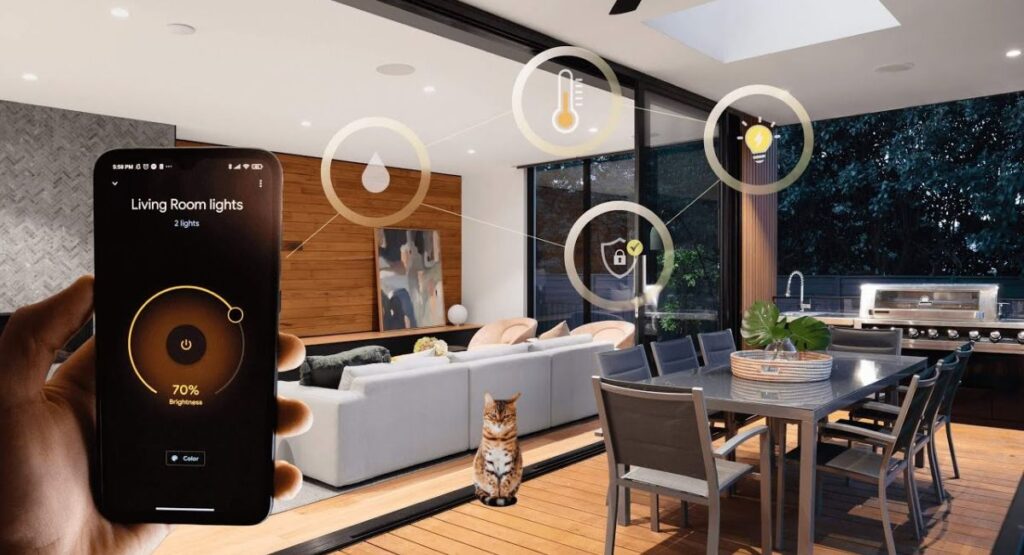
The UAE has become one of the fastest-growing markets for smart building technologies. Several key factors are driving this demand:
1. Smart City Development
Cities like Dubai and Abu Dhabi are investing heavily in smart infrastructure, encouraging the adoption of automated systems in residential and commercial buildings.
2. Extreme Climate Conditions
With high temperatures for most of the year, efficient HVAC control systems are essential. Automation helps optimize cooling loads and reduce electricity consumption.
3. Rising Energy Costs and Sustainability Goals
Government initiatives such as green building regulations and energy efficiency standards are pushing developers toward smarter systems.
4. Luxury Lifestyle Demand
High-end villas and apartments now include smart features such as automated lighting scenes, curtain control, and remote security monitoring.
How Home Automation Works
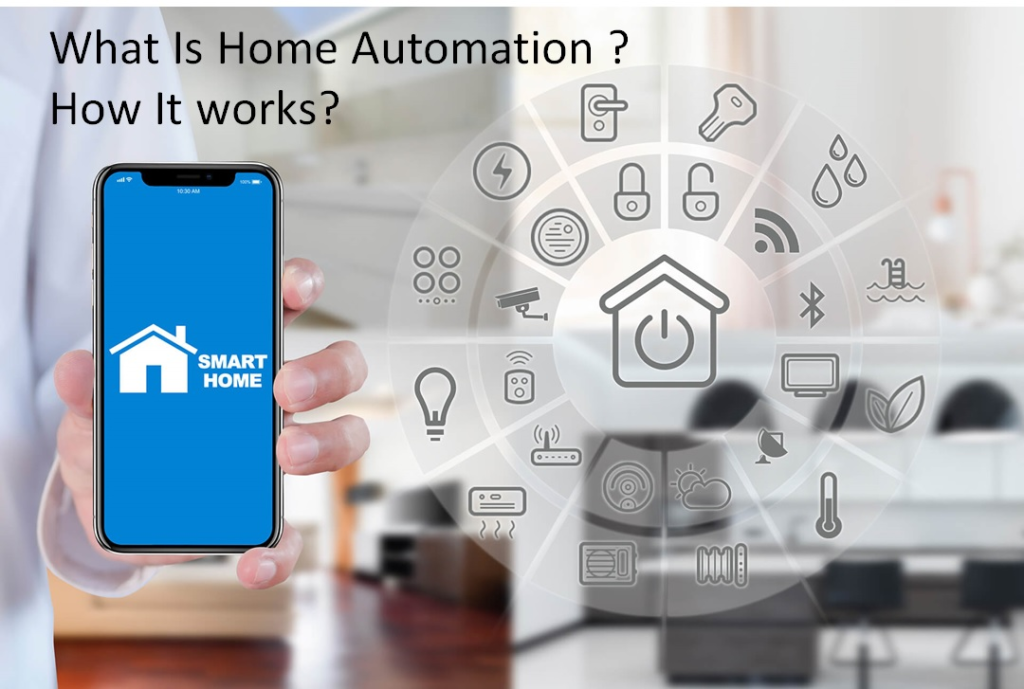
A smart home system operates through three main components:
Sensors
Sensors detect environmental changes such as:
- Motion and occupancy
- Temperature levels
- Light intensity
- Window or door status
These inputs help the system make automated decisions.
Controllers
Controllers act as the “brain” of the system. They process data from sensors and send commands to connected devices.
Examples include:
- Smart hubs
- Programmable logic controllers
- Cloud-based systems
Output Devices
These devices perform the actual actions:
- Smart switches
- Dimmable lighting systems
- Motorized blinds
- Air conditioning units
- Security cameras
Together, these components create a fully automated ecosystem.
Core Functions of Home Automation Systems
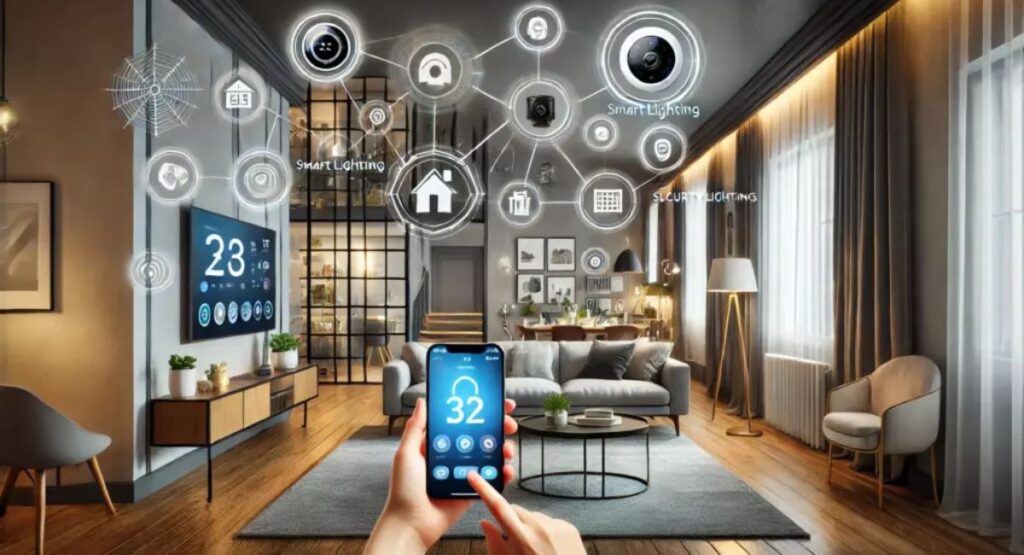
Smart Lighting Control
Lighting is one of the most widely used automation features in UAE homes and offices.
Benefits include:
- Automatic on/off based on occupancy
- Dimming based on daylight
- Scene creation (relax, work, movie modes)
- Reduced energy consumption
Climate and HVAC Control
Given the UAE climate, HVAC automation is critical.
It allows:
- Temperature scheduling
- Zone-based cooling
- Energy optimization
- Integration with occupancy sensors
This leads to improved comfort and reduced electricity bills.
Security and Surveillance Integration
Modern systems integrate security features such as:
- CCTV monitoring
- Motion detection
- Door access control
- Alarm systems
- Remote alerts via mobile apps
Smart Entertainment Systems
Home automation can also control:
- Audio systems
- Home theaters
- Multi-room entertainment setups
- Smart TVs
Energy Monitoring and Management
One of the most valuable features is real-time energy tracking.
It helps users:
- Identify high consumption areas
- Optimize electrical usage
- Reduce wastage
- Improve efficiency across the building
Applications of Home Automation in the UAE
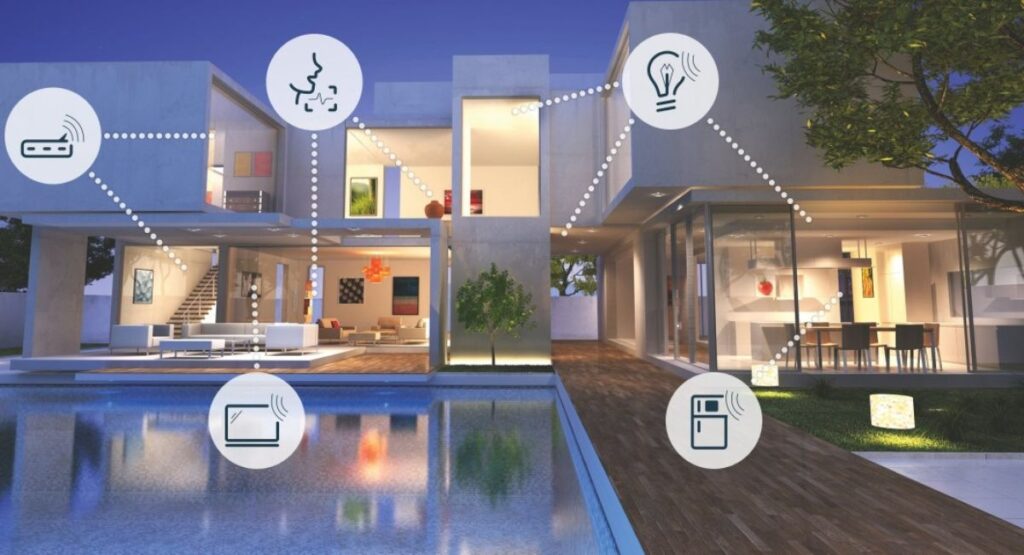
Residential Villas
Luxury villas across Dubai increasingly rely on automation for:
- Lighting scenes
- Curtain control
- Smart security
- Remote access control
Apartments
Even compact apartments benefit from:
- Smart switches
- App-based control
- Energy-saving automation
- Security monitoring
Commercial Buildings
Offices and retail spaces use automation for:
- HVAC scheduling
- Lighting optimization
- Occupancy-based control
- Energy reporting
Hospitality Sector
Hotels and resorts use automation for:
- Room management systems
- Guest comfort control
- Energy-efficient operations
- Centralized monitoring
Leading Brands Used in Smart Systems
Electric Zone Co supplies premium products from globally trusted manufacturers, including:
- Schneider Electric
- ABB
- Siemens
- Legrand
- LS Electric
- Hager
- Ducab
- Oman Cables
- Belden
These brands ensure reliability, safety, and long-term performance in all types of installations.
Benefits of Home Automation
Energy Efficiency
Automated systems reduce unnecessary energy usage through intelligent scheduling and sensor-based control.
Comfort and Convenience
Users can control entire buildings with a single touch or voice command.
Improved Safety
Integrated security systems enhance protection against unauthorized access and emergencies.
Increased Property Value
Smart homes are more attractive in the UAE real estate market.
Wired vs Wireless Home Automation Systems
Choosing between wired and wireless systems is one of the most important decisions in any smart building project in the UAE. Each approach has its own advantages depending on project size, budget, and long-term requirements.
Wired Home Automation
Wired systems use dedicated cables to connect all devices to a central network.
Advantages:
- High reliability and stability
- Minimal signal interference
- Ideal for large villas and commercial buildings
- Long lifespan with low maintenance
Disadvantages:
- Higher installation cost
- Requires planning during construction phase
- Less flexibility for modifications
Wired solutions are commonly used in luxury villas, hotels, and large commercial projects across Dubai and Abu Dhabi.
Wireless Home Automation
Wireless systems operate using Wi-Fi, Zigbee, Z-Wave, or similar protocols.
Advantages:
- Easy installation
- Lower upfront cost
- Suitable for retrofit projects
- Flexible and scalable
Disadvantages:
- Possible signal interference
- Dependence on network stability
- Limited range in large buildings
Wireless systems are popular in apartments and small to medium residential projects.
Popular Home Automation Technologies in the UAE
The UAE market uses a combination of global smart technologies depending on project requirements.
Smart Lighting Systems
Smart lighting remains the most widely installed automation feature. It includes:
- Motion-based lighting control
- Dimming systems
- Daylight sensors
- Scene-based lighting setups
Lighting automation alone can significantly reduce electricity consumption in commercial buildings.
Smart HVAC Systems
Heating, ventilation, and air conditioning systems are critical in the UAE climate.
Automation allows:
- Zoning of temperature control
- Time-based scheduling
- Occupancy detection
- Integration with weather data
This ensures comfort while minimizing energy wastage.
Smart Security Systems
Security is a key driver of home automation adoption.
Systems include:
- Smart CCTV cameras
- Video door phones
- Smart locks
- Intrusion alarms
- Remote mobile alerts
These systems provide real-time monitoring for homeowners and facility managers.
Voice-Controlled Smart Homes
Voice assistants have become increasingly popular in modern homes.
Users can control:
- Lights
- Curtains
- Air conditioning
- Entertainment systems
Integration with platforms like Alexa and Google Assistant enhances user convenience.
Installation Process of Home Automation Systems
A properly designed automation system follows a structured installation process.
Step 1: Requirement Analysis
Engineers and consultants assess:
- Building type
- User requirements
- Budget constraints
- Future scalability needs
Step 2: System Design
A detailed plan is created including:
- Device placement
- Wiring diagrams
- Control logic
- Integration points
Step 3: Product Selection
High-quality components are selected from trusted brands such as:
- Schneider Electric
- ABB
- Siemens
- Legrand
- Hager
This ensures reliability and long-term performance.
Step 4: Installation
Certified electricians and MEP contractors install:
- Wiring systems
- Control panels
- Sensors and devices
- Network infrastructure
Step 5: Programming and Configuration
System settings are configured to define:
- Automation scenes
- Schedules
- User controls
- Security protocols
Step 6: Testing and Commissioning
Every function is tested to ensure:
- Proper communication between devices
- Reliable automation triggers
- System stability
Cost of Home Automation in the UAE
The cost of installing automation systems varies based on several factors:
Key Cost Factors
- Size of the property
- Wired vs wireless system
- Number of devices installed
- Brand selection
- Level of customization
Average Market Insights
In the UAE market:
- Basic smart home systems are affordable for apartments
- Mid-range systems are common in villas
- High-end integrated systems are used in luxury properties and hotels
According to industry reports, smart building adoption in the Middle East is expected to grow by double-digit percentages annually, driven by energy efficiency requirements and smart city initiatives.
Energy Efficiency and Sustainability Impact
One of the strongest drivers of automation adoption is energy optimization.
Smart systems help reduce:
- Unnecessary lighting usage
- Excessive HVAC operation
- Standby power consumption
Key Sustainability Benefits
- Lower carbon footprint
- Compliance with green building standards
- Reduced operational costs
- Improved building efficiency ratings
In the UAE, this aligns with national sustainability goals and DEWA energy-saving initiatives.
Integration with Smart City Infrastructure
The UAE is actively developing smart city ecosystems where buildings are interconnected through digital infrastructure.
Home automation contributes by enabling:
- Remote monitoring
- Centralized energy control
- Data-driven building management
- Smart utility integration
This supports Dubai’s vision for a fully connected urban environment.
Frequently Asked Questions (FAQs)
1. What is home automation in simple terms?
Home automation is a system that connects electrical devices like lighting, air conditioning, security systems, and appliances so they can be controlled automatically or remotely using smartphones, sensors, or smart controllers.
2. Is home automation suitable for villas in the UAE?
Yes, it is widely used in UAE villas, especially in Dubai and Abu Dhabi. It improves comfort, reduces energy consumption, and allows full control of lighting, HVAC, security, and entertainment systems.
3. Does home automation save electricity?
Yes. Smart systems optimize energy usage by automatically turning off unused devices, adjusting HVAC based on occupancy, and using daylight for lighting control, leading to significant energy savings.
4. Can I upgrade my existing home with automation?
Yes. Wireless home automation systems can be installed in existing homes without major rewiring, making them ideal for retrofitting apartments and older villas.
5. What is the difference between smart home and home automation?
A smart home is a general term for connected devices, while home automation refers specifically to systems that automate tasks based on schedules, sensors, or programmed logic.
Power Your Smart Projects with Electric Zone Co
Electric Zone Co is a trusted supplier of electrical and automation solutions across the UAE, supporting contractors, MEP companies, electricians, facility managers, and homeowners with high-quality products for modern buildings.
We supply a complete range of:
- Cables & Wires
- Switchgear
- Switches & Sockets
- Home Automation Solutions
- Electrical Accessories
Our product portfolio includes globally recognized brands such as Schneider Electric, ABB, Siemens, Legrand, LS Electric, Hager, Ducab, Oman Cables, and Belden, ensuring reliability and performance for every project.
Whether you are building a smart villa, upgrading a commercial facility, or working on a large-scale MEP project, Electric Zone Co provides the materials and support you need to deliver efficient and future-ready installations.
Why Choose Electric Zone Co in the UAE?
Electric Zone Co stands out as a reliable electrical trading partner in the UAE, offering quality, consistency, and technical expertise for all types of projects.
Wide Product Range
From automation systems to cables, switchgear, and accessories, everything is available under one roof.
Trusted Global Brands
Only genuine products from internationally approved manufacturers are supplied.
Strong MEP Support
We support contractors and engineers with project-based solutions and material planning.
Fast Supply Across UAE
Efficient logistics ensure timely delivery for residential, commercial, and industrial projects.
Competitive Pricing
We provide cost-effective solutions without compromising on quality or safety standards.
Internal Linking Suggestions (electriczoneco.com)
To improve SEO structure and internal authority:
- Home Automation Solutions
- Switchgear
- Cables & Wires
- Switches & Sockets
External Authority Sources
- Dubai Electricity & Water Authority
- Smart Dubai Initiative
- International Energy Agency
- Smart building standards
- Automation and safety standards
Home Automation UAE | Smart Home Guide 2026
Discover home automation in the UAE. Smart lighting, HVAC, security & energy savings. Complete guide for villas and buildings.
