

Choosing the right Low Voltage cable is essential for safe, reliable, and efficient electrical installations across residential, commercial, and industrial projects in the UAE. From high-rise buildings and villas to warehouses, factories, data centers, and infrastructure projects, the right cable helps ensure dependable power distribution while meeting project specifications and safety requirements.
A Low Voltage cable is generally used for electrical systems operating at voltages up to 1,000V AC or 1,500V DC. Depending on the application, cables can be selected based on conductor material, insulation, voltage rating, installation environment, current capacity, and fire-performance requirements. In the UAE, contractors and MEP professionals must also consider local project specifications, environmental conditions, and applicable standards when sourcing electrical cables.
In this guide, we explain how to choose the right Low Voltage cable, where it is commonly used, important specifications to check, and what UAE buyers should consider before purchasing.
Electric Zone – Your Low Voltage Cable Supplier in the UAE
Electric Zone Co is a trusted UAE supplier of Low Voltage cables, electrical wires, switchgear, switches and sockets, and electrical accessories for contractors, MEP companies, electricians, facility management companies, industrial buyers, and homeowners.
Whether you need cables for a new construction project, electrical maintenance, industrial installation, or residential application, Electric Zone can help you source products according to your required specifications, quantities, and project requirements.
What Is a Low Voltage Cable?
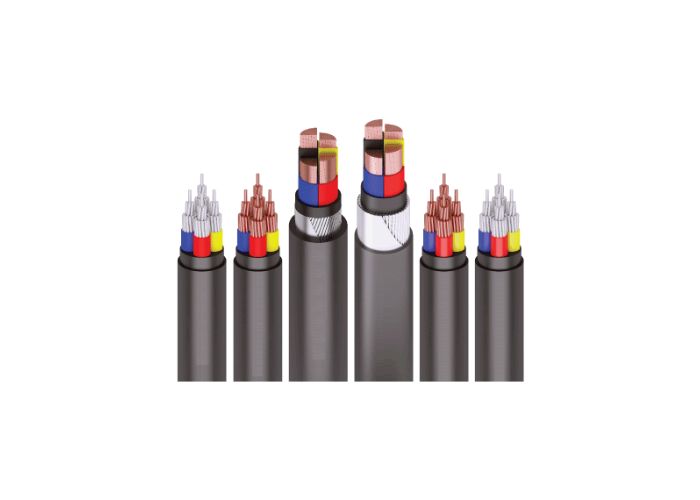
A Low Voltage cable is an electrical cable designed to transmit and distribute electrical power in low-voltage electrical systems. These cables are commonly installed between distribution boards, electrical panels, equipment, lighting systems, sockets, machinery, and other electrical loads.
The term “low voltage” can cover a wide range of electrical applications. For power distribution, cables are commonly selected according to their voltage rating, conductor size, insulation material, number of cores, installation method, and environmental conditions.
Typical applications include:
- Residential buildings and villas
- Commercial buildings
- Shopping malls and offices
- Hotels and hospitals
- Warehouses and factories
- MEP installations
- Industrial equipment
- Lighting circuits
- Distribution boards
- HVAC systems
- Pumps and motors
- Control and auxiliary systems
Selecting an incorrectly rated cable can result in excessive voltage drop, overheating, reduced equipment performance, or premature cable failure. This is why cable selection should always be based on the actual electrical load and installation conditions.
Types of Low Voltage Cables
There is no single cable suitable for every electrical installation. Different projects require different cable constructions and insulation systems.
PVC Insulated Cables
PVC-insulated cables are widely used in residential, commercial, and general electrical installations. They provide good electrical insulation and are available in multiple conductor sizes and configurations.
They are often selected for indoor electrical wiring and power distribution applications where the surrounding conditions are within the cable manufacturer’s specified operating range.
XLPE Insulated Cables
XLPE, or cross-linked polyethylene, is widely used in power distribution because of its strong thermal and electrical properties.
XLPE cables can offer higher permissible operating temperatures than many conventional PVC-insulated alternatives, depending on the specific cable design. They are commonly used in commercial, industrial, and infrastructure applications.
Armoured Cables
Armoured cables incorporate an additional protective layer designed to provide mechanical protection.
They are particularly useful where cables may be exposed to mechanical stress, buried underground, installed outdoors, or routed through industrial environments.
Common constructions include steel wire armoured and steel tape armoured designs, depending on the application and manufacturer’s specifications.
Flexible Low Voltage Cables
Flexible cables are designed for applications where movement or easier installation is required. They can be used with certain equipment, machinery, portable electrical devices, and control applications.
The correct flexible cable should always be selected according to current rating, voltage rating, flexibility requirements, temperature, and installation conditions.
Common Low Voltage Cable Sizes
Cable size is one of the most important considerations when selecting an electrical cable. Conductor cross-sectional area is normally expressed in square millimeters, such as 1.5 mm², 2.5 mm², 4 mm², 6 mm², 10 mm², 16 mm², 25 mm², 35 mm², 50 mm², 70 mm², 95 mm², 120 mm², 150 mm², 185 mm², 240 mm², and larger sizes.
However, cable size should not be selected based solely on the connected load.
The correct size depends on several factors, including:
- Design current
- Installation method
- Ambient temperature
- Cable grouping
- Conductor material
- Cable length
- Voltage drop
- Short-circuit withstand requirements
- Insulation temperature rating
- Number of loaded conductors
- Applicable electrical regulations
For example, a cable installed in free air may have a different current-carrying capacity from the same cable installed in a conduit, tray, duct, or underground.
Copper vs Aluminium Low Voltage Cables
Copper and aluminium are the two most common conductor materials used in power cables.
Copper Cables
Copper offers excellent electrical conductivity and is widely used for building wiring, distribution circuits, control applications, and equipment connections.
Advantages can include:
- High electrical conductivity
- Good mechanical strength
- Excellent termination characteristics
- Reliable performance
- Suitable for many commercial and residential applications
Copper cables are frequently preferred where space is limited or where smaller conductor sizes are advantageous.
Aluminium Cables
Aluminium conductors are lighter than copper and can be an economical choice for certain power distribution applications.
They are commonly considered for larger cable sizes and distribution systems where weight and material cost are important factors.
However, aluminium installations require suitable termination methods and connectors designed specifically for aluminium conductors.
The best choice between copper and aluminium depends on the project design, cable size, installation requirements, budget, and engineering specifications.
How to Choose the Right Low Voltage Cable
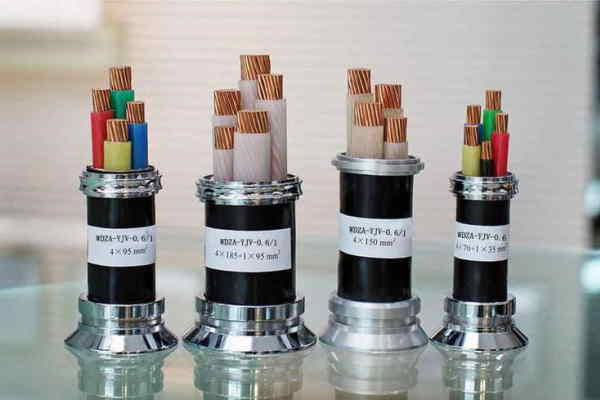
Choosing the correct cable requires more than simply knowing the required amperage.
1. Determine the Electrical Load
Start by identifying the expected operating current of the connected equipment or circuit.
The cable must be capable of safely carrying the design current under the actual installation conditions.
2. Check Voltage Rating
Always verify that the cable voltage rating is appropriate for the electrical system.
For example, common low-voltage power systems may use cable ratings such as 0.6/1 kV, but the appropriate rating depends on the application and project specifications.
3. Consider Voltage Drop
Voltage drop becomes particularly important on long cable runs.
Even when a cable can technically carry the required current, excessive voltage drop can affect motors, lighting systems, HVAC equipment, and other electrical loads.
Cable length should therefore be considered during cable sizing.
4. Select the Correct Conductor
Determine whether copper or aluminium is appropriate for the installation.
For many building applications, copper is commonly used, while larger power distribution systems may use aluminium because of its weight and cost advantages.
5. Consider the Installation Environment
The installation location can significantly influence cable selection.
Consider whether the cable will be:
- Installed indoors
- Installed outdoors
- Buried underground
- Installed in cable trays
- Installed in conduits
- Exposed to moisture
- Exposed to chemicals
- Installed in high-temperature areas
- Exposed to mechanical damage
6. Check Fire Performance
Fire safety is especially important in commercial buildings, residential towers, hospitals, hotels, and public facilities.
Depending on the project, requirements may include flame-retardant, low-smoke, halogen-free, or fire-resistant cable constructions.
The cable specification should always match the project’s fire and life-safety requirements.
Low Voltage Cable Applications in the UAE
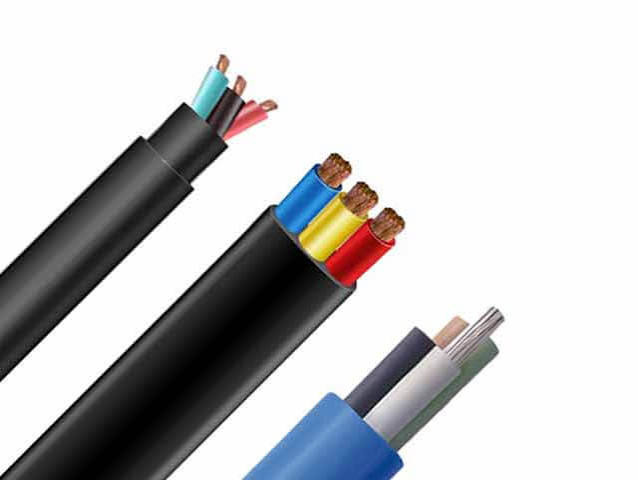
The UAE’s construction, real estate, hospitality, infrastructure, and industrial sectors create substantial demand for electrical distribution products.
A Low Voltage cable can be found in many types of projects across Dubai, Abu Dhabi, Sharjah, Ajman, and other Emirates.
Residential Projects
Villas, apartments, residential towers, and housing developments require electrical cables for lighting, sockets, distribution boards, HVAC equipment, pumps, and other electrical loads.
Commercial Buildings
Offices, retail stores, malls, hotels, and commercial developments require reliable electrical distribution throughout the building.
Industrial Facilities
Factories, workshops, warehouses, and processing facilities often require larger cable systems for motors, machinery, production equipment, control systems, and distribution boards.
MEP Projects
MEP contractors use power cables throughout mechanical, electrical, and plumbing projects. Electrical cable selection must coordinate with the building’s electrical design and equipment requirements.
Facility Management
Replacement cables are frequently required for maintenance and repair work. Facility management teams may need to match existing cable specifications when extending or replacing circuits.
Why Cable Standards Matter
Electrical cables should be manufactured and tested according to appropriate international or regional standards applicable to their intended use.
Commonly encountered standards include IEC standards, British Standards, and other recognized national or international specifications.
For UAE projects, contractors should also consider the requirements of the relevant authority, consultant, client, and project specifications.
Important documentation may include:
- Technical datasheets
- Manufacturer certificates
- Test certificates
- Compliance documentation
- Voltage rating
- Conductor material
- Insulation specifications
- Applicable standards
Buying a cable solely because it appears similar to an existing cable can create problems if the technical specifications do not match.
Low Voltage Cable for UAE Climate Conditions
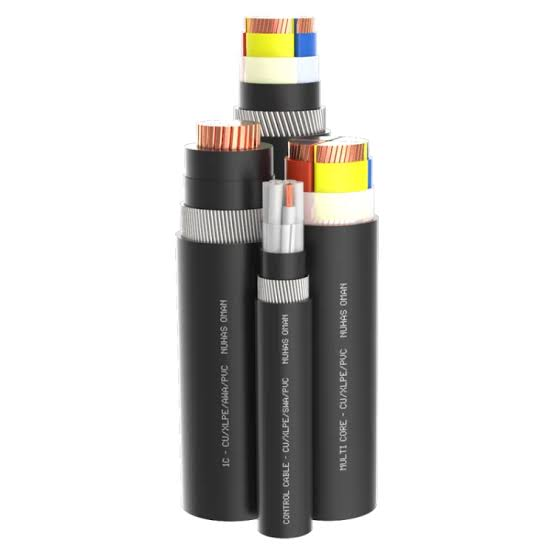
The UAE’s climate creates additional considerations for electrical installations.
High temperatures, humidity, dust, UV exposure, and outdoor installation conditions can influence cable performance and selection.
For outdoor installations, engineers should consider whether the cable construction is suitable for sunlight, temperature, moisture, and the intended installation environment.
Ambient temperature is particularly important because the current-carrying capacity of a cable can be affected by surrounding temperature.
This is one reason professional cable sizing should include appropriate correction and derating factors rather than relying only on standard ampacity tables.
Cable Installation Best Practices
Correct installation is just as important as selecting the right product.
During installation, contractors should ensure that cables are not subjected to excessive pulling tension, bending beyond the manufacturer’s permitted radius, crushing, or mechanical damage.
Cable routes should be planned carefully, particularly in large commercial and industrial installations.
Installers should also pay attention to:
- Proper cable support
- Correct cable glands
- Suitable terminations
- Appropriate lugs
- Cable identification
- Separation of electrical systems
- Earthing requirements
- Protection against mechanical damage
- Proper testing before energization
Poor installation practices can compromise an otherwise high-quality cable.
Common Mistakes When Buying Electrical Cables
One of the most common mistakes is buying a cable based only on size.
A 16 mm² cable, for example, does not automatically have the same performance characteristics as every other 16 mm² cable. Construction, insulation, conductor material, voltage rating, temperature rating, standards, and manufacturer specifications all matter.
Other common mistakes include:
- Ignoring voltage drop
- Not checking cable length
- Choosing the wrong conductor material
- Ignoring installation conditions
- Buying unverified products
- Failing to check technical documentation
- Selecting cables without considering future load requirements
- Using indoor-rated products outdoors
- Ignoring fire-performance requirements
Professional buyers should compare complete technical specifications rather than focusing only on price.
Why Buy Low Voltage Cable from a Reliable UAE Supplier?
Purchasing from an established electrical supplier can make the sourcing process easier for contractors, electricians, MEP companies, and industrial buyers.
A reliable supplier can help customers identify products according to cable size, conductor material, insulation type, voltage rating, quantity, manufacturer requirements, and project specifications.
For urgent UAE projects, local sourcing can also help reduce procurement delays and simplify communication regarding availability and delivery.
Electric Zone Co supports customers looking for electrical products for construction, maintenance, commercial, residential, and industrial requirements.
Electric Zone Electrical Product Range
In addition to Low Voltage cable products, Electric Zone provides a wider range of electrical solutions for UAE customers.
Our product range includes:
Cables & Wires: Power cables, electrical wires, control cables, and related cable products for different applications.
Switchgear: MCBs, MCCBs, ACBs, contactors, relays, distribution equipment, and protection products.
Switches & Sockets: Residential and commercial switches, sockets, accessories, and electrical wiring devices.
Home Automation Solutions: Smart switches, smart controls, sensors, automation products, and connected home solutions.
Electrical Accessories: Cable glands, lugs, terminals, enclosures, connectors, and other electrical installation accessories.
This makes Electric Zone a convenient sourcing partner for customers who need multiple electrical products for the same project.
Low Voltage cables are essential for safe and reliable electrical power distribution in residential, commercial, and industrial projects across the UAE. Selecting the correct cable requires careful consideration of conductor size, voltage rating, insulation, installation method, temperature, and voltage drop. Electric Zone Co supplies high-quality Cables & Wires, Switchgear, Switches & Sockets, Home Automation Solutions, and Electrical Accessories for contractors, MEP companies, electricians, facility management teams, industrial buyers, and homeowners. Whether you need cables for a new construction project, maintenance work, or industrial application, Electric Zone can help you source suitable electrical products according to your project requirements.
Why Choose Electric Zone Co?
When purchasing electrical products in the UAE, customers need a supplier that understands both technical requirements and project deadlines.
Electric Zone focuses on providing electrical products for contractors, MEP companies, electricians, facility management teams, industrial buyers, and homeowners.
Whether you need a single replacement cable or electrical materials for a larger project, our team can assist with product selection and sourcing based on your requirements.
For project-based purchasing, customers can provide the required cable size, voltage, conductor type, quantity, application, and any specified manufacturer or standard. This information helps ensure that the supplied product matches the project requirements.
Internal Keywords
- Cables & Wires
- Switchgear
- Switches & Sockets
- Home Automation Solutions
- Electrical Accessories
- Electrical Supplier UAE
External Keywords
- IEC 60502-1
- Low Voltage Power Cables
- Ducab Low Voltage Cables
- UAE Cable Manufacturer
- Power Cable Standards
Frequently Asked Questions
What is a Low Voltage cable used for?
A Low Voltage cable is used for electrical power distribution and connections in systems operating within the cable’s specified low-voltage rating. Applications include residential buildings, commercial properties, industrial facilities, HVAC systems, machinery, lighting, and distribution boards.
What are the common Low Voltage cable sizes?
Common conductor sizes include 1.5 mm², 2.5 mm², 4 mm², 6 mm², 10 mm², 16 mm², 25 mm², 35 mm², 50 mm², 70 mm², 95 mm², 120 mm², 150 mm², 185 mm², and 240 mm². The correct size depends on load, installation method, voltage drop, temperature, and other design factors.
Is copper or aluminium better for low-voltage power cables?
Neither conductor is universally better. Copper provides higher conductivity and is widely used for building wiring, while aluminium can provide weight and cost advantages for larger power distribution applications. The correct choice depends on the electrical design and installation requirements.
How do I choose the correct cable size?
Cable sizing should consider design current, installation method, cable length, voltage drop, ambient temperature, grouping, conductor material, insulation rating, and short-circuit requirements. Professional electrical design calculations should be used for critical installations.
Where can I buy electrical cables in the UAE?
Electric Zone Co supplies cables and wires along with switchgear, switches and sockets, home automation solutions, and electrical accessories for contractors, MEP companies, electricians, facility management companies, industrial buyers, and homeowners across the UAE.
Get Your Electrical Cables from Electric Zone
Whether you are sourcing electrical materials for a villa, commercial building, industrial facility, MEP project, or maintenance requirement, choosing the correct cable is essential for safe and dependable electrical performance.
Electric Zone Co is your UAE electrical supply partner for Low Voltage cables, Cables & Wires, Switchgear, Switches & Sockets, Home Automation Solutions, and Electrical Accessories.
Contact Electric Zone with your required specifications, quantity, project requirements, or bill of materials and our team can help you source the appropriate electrical products for your application.
For related electrical requirements, customers can also explore Electric Zone’s Cables & Wires, Switchgear, Switches & Sockets, Home Automation Solutions, and Electrical Accessories sections to find complementary products for complete electrical installations.
For technical guidance and standards-related requirements, project teams should refer to applicable IEC standards, UAE authority requirements, manufacturer documentation, and project consultant specifications before final product selection.
